
Ethiopia’s Digital Economy to Add 1.3 trillion Birr to GDP by 2028
Ethiopia’s digital economy could add more than 1.3 trillion to GDP by 2028, according to the GSMA’s new report.
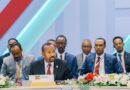
The global alliance for mobile network operators GSMA together with Ethio Telecom launched ‘Digital Economy Ethiopia’ report on Thursday.
The report highlights how telecom reforms and investments in mobile technology are catalyzing growth in key sectors such as agriculture, manufacturing, and public services.
These advancements, it says, are expected to create over 1 million new jobs and generate an additional 57 billion Birr in tax revenues by 2028.
Path to Digital Growth
Ethiopia’s telecom reforms under the Home-Grown Economic Reform (HGER) program have driven major progress.
By 2023, the sector contributed 700 billion Birr to GDP and generated 57 billion Birr in tax revenues. Mobile internet connections grew by 65%, with 4G coverage expanding eightfold to reach 33%.
Mobile money, with 90 million registered accounts and 70% penetration, has also become a driver of financial inclusion.
Key players, Ethio Telecom and Safaricom Ethiopia, have been instrumental in driving this growth through expanded mobile internet access and increased competition in the telecom market.
Key findings
The report expects digital and mobile technology to continue to have a significant contribution to the economy.
By 2028, more than 50 million Ethiopians – more than double the current level – are expected to be connected to the mobile internet, according to the GSMA report,
This increased connectivity, the GSMA report says, will drive growth across sectors like agriculture, adding 140 billion Birr, and manufacturing, contributing 114 billion Birr.
However, substantial usage gaps persists with 70% of Ethiopians are still not using mobile internet despite living within network coverage.
Closing Usage gap
Bridging this gap, particularly the 40% gender disparity in mobile internet use, is crucial for Ethiopia’s digital future, the report suggests.
A survey of attitudes and mobile internet use shows that the most significant barrier is affordability particularly device supportability.
Per GSMA, Tax and import duties on devices make up a huge part of these costs in sub-saharan Africa where entry-level internet-enabled devices cost 99% of average monthly income for the region’s poorest 20%.
John Glusti, Chief regulatory officer at GSMA, stressed on the need for collaboration among the government, telecom operators and other actors working in the sector to address the barrier.
“If we could address this or at least make some progress…, we could significantly lower the cost barriers for millions of people still offline,” said Glusti.
The survey also finds digital literacy and skills the second-biggest barrier overall.
Supporting digital literacy and expanding e-government services will also help increase adoption of digital technologies, particularly among underserved communities such as rural populations and women, GSMA recommends.
More policy Recommendations
It also outlines several other policy recommendations critical to fully harness the potential of digitalisation including prioritizing service affordability. Reducing sector-specific taxes will go a long way toward addressing the affordability of mobile service in Ethiopia, GSMA stresses.
Its report also suggests fast-tracking telecom reforms that streamline Rights of Way and planning approvals to accelerate infrastructure development as well as expanding mobile money services with enhanced regulatory support to boost financial inclusion.
“By implementing strategic reforms and improving access to digital tools and services, Ethiopia can unlock unprecedented opportunities for economic and social development. This will benefit not only the economy but also the millions of Ethiopians who stand to gain from greater digital inclusion,” Angela Wamola, head of Sub-Saharan Africa at GSMA, said.

Comments are closed.