Ethiopia Advances Toward Eliminating Toxic PCBs ahead of Global Deadline
Ethiopia has taken major strides toward eliminating polychlorinated biphenyls (PCBs) – highly toxic industrial chemicals—through a national program aimed at meeting the country’s obligations under the Stockholm Convention on Persistent Organic Pollutants (POP).
Ethiopia signed the Stockholm Convention on 17 May 2002 and ratified it on 9 January 2003 through Proclamation No. 279/2003. Its Environment Protection Authority (EPA) partnered with UN Development Program (UNDP) in implementing the project to dispose of PCB-contaminated waste in the country.
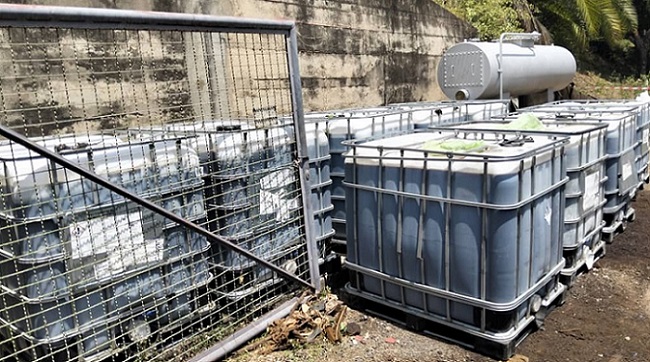
Ahead of the 2025 deadline, in December 2025, Ethiopia transported 45 tons of PCB-contaminated waste to Spain, where it was received at specialized facilities for hazardous waste treatment. The waste was destroyed, and a certificate was issued after the PCB went through a strict containment, analysis, and disposal process, including high-temperature incineration where required.
The process was done in accordance with the Stockholm Convention, and as implemented by the EU and Spanish regulations, , the project partners said in a joint statement. This initiative received $1.99 million USD in funding from the Global Environment Facility (GEF), and was complemented by $150,000 in co-financing from UNDP core resources.
PCBs, though they have been banned globally for decades, are still a serious threat to human health and the environment, especially in countries where older electrical infrastructure is still in use.
As persistent organic pollutants, PCBs accumulate in soil, water, and living organisms, moving up the food chain and causing long-term harm to the immune, reproductive, and nervous systems in both humans and wildlife. Ageing electrical equipment continues to be one of the most common sources of exposure.
In Ethiopia, there were 44,425 in-service transformers and 355 out-of-service (waste) transformers when the project was operational, per UNDP and EPA.
The duo claim, using very stringent screening criteria, the project identified 611 transformers suspected of containing PCBs. Following laboratory analysis, a total of 77.9 tons of PCB-contaminated transformers were treated, with a net weight of 45.8 tons of PCB oil being eliminated abroad using an environmentally sound management system in Spain.
“The safe disposal of PCB-containing materials from Ethiopia demonstrates our strong commitment to environmental responsibility and full compliance with national and international hazardous waste regulations,” EPA Director General Lelise Neme said.
“We are confident that our cooperation with UNDP, GEF, and UNITAR will continue and strengthen in the next phase of this important project,” she added.
Despite eliminating the use of PCBs by 2025, authorities say significant work remains. Under Stockholm convention, all parties are required to ensure the environmentally sound management and final disposal of remaining PCB liquids and contaminated equipment by 31 December 2028.
The next phase of Ethiopia’s PCB management efforts is expected to focus on systematic collection of all remaining PCB-containing materials; safe and compliant transport and interim storage as well as environmentally sound treatment within the country, and final disposal abroad, in line with internationally accepted best practices.
“Ethiopia has laid a solid foundation to meet its 2028 obligations,” said Samuel Doe, UNDP Resident Representative in Ethiopia, and emphasized that “sustained national commitment and strong partnerships will be critical to fully eliminate the risks posed by PCBs and to protect public health and ecosystems.”