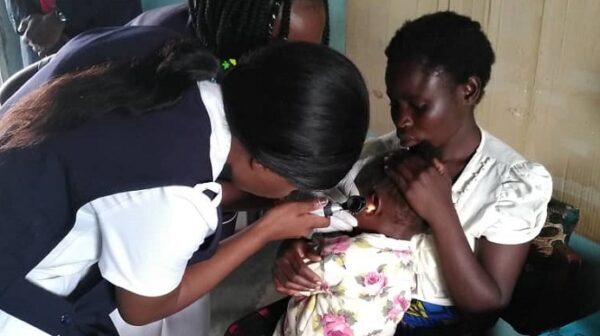
54 Million People in Africa Projected to have Hearing Loss by 2030
The burden of hearing loss in Africa could rise to 54 million by 2030 if urgent measures are not taken to address the problem, a new World Health Organization (WHO) report warns.
The Status Report on ear and hearing care in Africa says hearing loss has a profound impact on human lives and economies, costing African economies 27 billion US dollars annually.
The continent has 40 million people with hearing loss, a prevalence of 3.6 percent, per the UN health agency’s data.
“Without urgent interventions,” the report says “hearing loss which disproportionately affects poor and vulnerable populations will continue to escalate.”
For children, the far-reaching consequences include delays in language development, raising the risk of poor educational outcomes and limited future career prospects.
Adults with untreated hearing loss often face isolation, loneliness and an increased risk for depression and dementia.
The report identifies multiple factors driving the surge in prevalence of hearing loss in the continent.
Primary among these is an acute shortage of ear and hearing care (EHC) specialists, as well as maldistribution of available workforce to the advantage of urban areas.
More than 56% of African countries, for example, have only a single ear, nose and throat (ENT) specialist for every million people. More than three-quarters of countries, meanwhile, have fewer than one audiologist and one speech and language therapist for every one million people.
The report also finds only about 10% of the 33 million Africans that could benefit from a hearing aid have access due to lack of high costs.
Data from 43 African countries show that while 36 countries provide ear and hearing care services at the tertiary level, similar services are not offered at primary care level. This is despite the fact that the common causes of hearing loss are mostly preventable through simple public health interventions, or measures to mitigate the risk factors.
Among children living in low- and middle-income countries, the report said, up to 75% of hearing loss is due to preventable causes such as infections and common ear diseases as well as birth complications.
Yet, the analysis found that most countries do not routinely conduct hearing screening of newborns. Even in countries with EHC, interventions are not integrated into priority health programs such as school and occupational health or healthy aging programs.
The report recommends that countries should urgently integrate ear and hear care into existing health programs to optimize use of scarce resources.
Public-private partnerships should be explored by governments towards strengthening EHC services, the report recommends. It also urges for the need for dedicated financing for EHC to equip facilities and deliver products and technologies, and build health workforce capacity.