IGAD Unveils 10-year Tourism Master Plan
The East African economic bloc Igad has launched a ten-year tourism master plan aiming to position the region as a globally competitive destination for tourists.
The bloc developed the IGAD Sustainable Tourism Master Plan 2024-34 jointly with the UN Economic Commission for Africa (UNECA).
The Plan lays out a strategic vision for sustainable tourism across the IGAD member states and its role in driving socio-economic growth and promoting regional integration.
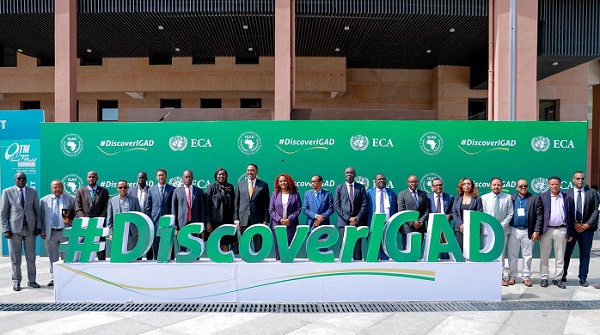
Tourism Ministers from Igad countries endorsed the document that was launched at the end of their meeting in Addis Ababa on Thursday.
At the launching event, IGAD Executive Secretary Workneh Gebeyehu underscored the region’s immense tourism potential, citing its rich cultural heritage, unique archaeological sites, and diverse natural landscapes.
“Despite these remarkable assets, our region’s global tourism share remains limited,” lamented the Executive Secretary.
In 2023, more than 10 million tourists visited the Igad region which consists of Djibouti, Eritrea, Ethiopia, Kenya, Somalia, South Sudan, Sudan and Uganda.
However, the bloc says not all Member States are benefiting equally due to various challenges.
Workneh said: “While the IGAD region faces numerous challenges, we remain optimistic and firmly believe in the transformative power of tourism to connect people through curiosity.”
“By harnessing our abundant cultural and natural resources, we can foster unity and drive development across our member states,” he added.
The bloc’s official expects the STMP 2024-2034 to offer “a comprehensive response” to the challenge.
“It seeks to attract investment, foster regional cooperation, and establish tourism as a cornerstone of economic development,” he added.
The masterplan aligns closely with IGAD Vision 2050 and other regional socio-economic frameworks, aiming to cement tourism’s place as a key driver in the development agenda.
Agriculture remains the dominant sector in the IGAD region with more than 261 million population and an area that stretches over 5.2 million square kilometers.